An Aging Nation Needs More Than Aging Programs
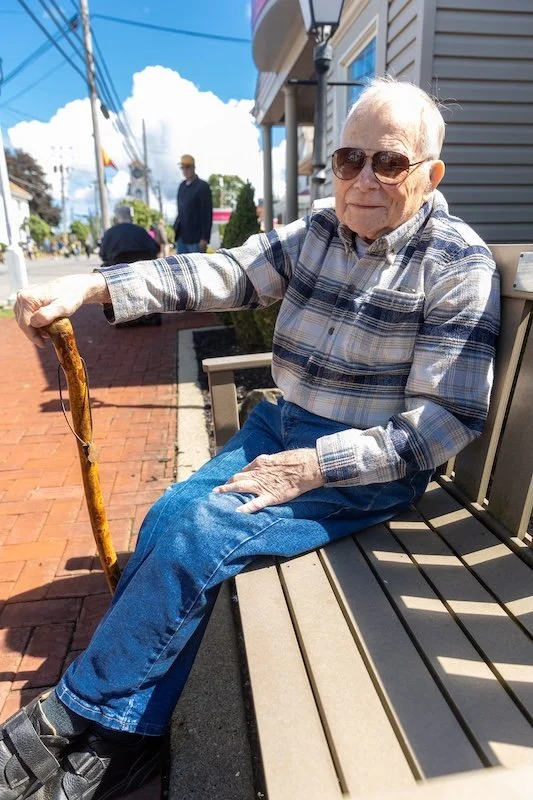
Photo courtesy of Age Friendly Greater Pittsburgh: https://www.agefriendlypgh.org/photo-bank/
Aging is Not the Responsibility of Only One sector or Agency
The United States is getting older. That's not news. We've been anticipating this demographic shift for decades. Yet, despite years of discussion about the aging of our population, we remain remarkably unprepared for what it means for our communities, institutions, and systems of government.
A recent article in The Nation's Health, "US aging boom outpacing nation's readiness", highlights the growing challenges facing the United States as approximately 11,000 Americans turn 65 every day. The article explores how other countries are responding to population aging and the growing recognition that preparing for an aging society requires more than expanding healthcare and long-term care services.
What struck me most wasn't the demographic projections. It was the persistent fragmentation of the systems that are supposed to help people live well as they age. We have organized government around programs and services, but people don't experience their lives in those same categories.
Our Systems Don't Reflect How People Live
Consider how government is organized. We have separate agencies responsible for housing, transportation, healthcare, human services, public health, and aging. Each operates with its own funding streams, eligibility requirements, priorities, and measures of success.
This specialization serves important purposes. Agencies develop expertise, programs target specific needs, and funding can be directed toward particular populations. But the challenges people face rarely fit neatly into these categories.
I have been thinking about this as we face an increasing amount of older adults who are experiencing homelessness. In Allegheny County we are working to connect the systems that meet the needs of older adults and those that focus on people who are experiencing homelessness, but it is hard despite the fact that both services are in the same county department.
Coordination asks how existing programs can work together. Systems change asks whether those programs, their incentives, and their structures are designed to achieve the outcomes we actually want.
Learning From Other Countries - What Would Systems-Level Change Look Like?
The Nation's Health article offers examples of countries that are approaching population aging differently. In Taiwan, long-term care reforms seek to better connect medical care with services delivered in homes and communities. In Vietnam, intergenerational self-help clubs bring older adults together to identify community needs and organize health promotion and social activities. Other countries have incorporated aging into national policies and budgets addressing housing, transportation, infrastructure, and healthcare.
These examples are not necessarily models that can be directly replicated in the United States. Our political structures, funding systems, and communities are different. But they can provide inspiration.
If we truly want to prepare for an aging society, we need to ask different questions.
Rather than asking only how many older adults receive services, we might ask whether our communities are becoming places where people can remain healthy, independent, and connected throughout their lives.
Rather than evaluating programs solely by their individual outcomes, we might consider whether our investments across housing, transportation, public health, and human services are collectively improving quality of life.
Rather than treating demographic change as a challenge for agencies on aging to manage, we might incorporate aging into every major community planning and investment decision.
And rather than developing solutions within individual agencies, we might create opportunities for residents, community organizations, businesses, and government to work together around shared goals.
None of this is easy. Government funding streams are often restricted. Agencies have different mandates and accountability requirements. Organizations face staffing limitations, competing priorities, and increasing demands for services. I see these challenges in practice, and I understand that changing systems is much more complicated than simply calling for greater collaboration.
An aging society isn't simply a challenge for aging services. It's an opportunity to rethink how our communities and institutions support people across the life course.
Inspired by Teddi Nicolaus, "US aging boom outpacing nation's readiness," The Nation's Health, October 2026.